In our family, cooking with cheese has never been a complicated affair. The best Italian cheese recipes are the simplest ones — the kind where a single excellent ingredient does most of the work, and the cook's main job is to stay out of the way.
These six recipes come from our family kitchen. Some are classics of Tuscan cooking; others are things we have made for years without knowing whether they had a name. All of them are designed to make good Italian cheese the centre of the plate, not a supporting player.
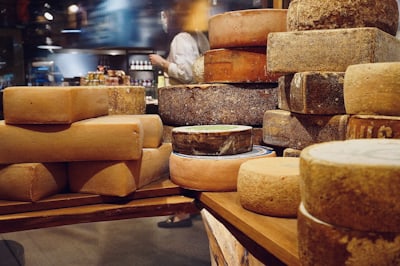
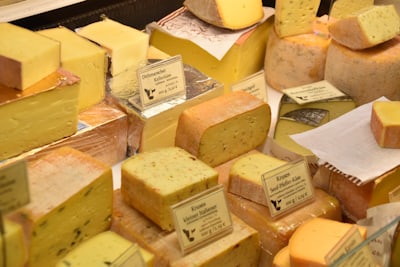
A note before we begin: these recipes work best with the best cheese you can find. There is a real difference between fresh ricotta made that morning and the vacuum-packed version from a supermarket shelf. Where you can, seek out genuine artisan Italian cheese — the flavour improvement is not subtle.
1. Bruschetta with Fresh Ricotta and Wild Honey
This is barely a recipe — more a way of arranging things on bread. But it is one of the best things we know how to eat, particularly in spring when the sheep's milk ricotta is at its most delicate.
Ingredients (serves 4):
- 4 thick slices of good sourdough or pane sciocco (unsalted Tuscan bread)
- 250g fresh Ricotta di Pecora, at room temperature
- 2 tablespoons good wildflower or chestnut honey
- A handful of fresh thyme leaves
- Extra-virgin olive oil
- Flaky sea salt and black pepper
Method: Toast the bread slices over an open flame or under a hot grill until golden and slightly charred at the edges. Rub each slice lightly with a cut clove of garlic while warm. Spoon the ricotta generously over each piece — do not spread it thin. Drizzle with honey, scatter the thyme leaves, finish with a thread of olive oil and a pinch of sea salt. Eat immediately, before the toast softens.
2. Pasta al Pecorino e Pepe Nero
This dish is sometimes described as a simpler cousin of the Roman Cacio e Pepe, and in some respects it is — but the Tuscan version uses a younger, less sharp Pecorino Toscano rather than Pecorino Romano, producing a milder, creamier result that is more about the cheese and less about the pepper.
Ingredients (serves 4):
- 400g fresh pappardelle or spaghetti
- 180g Pecorino Toscano Stagionato, finely grated, plus extra to serve
- 1½ teaspoons coarsely ground black pepper, toasted in a dry pan
- 2 tablespoons pasta cooking water (or more as needed)
- A very small amount of good butter — no more than 15g
Method: Cook the pasta in well-salted boiling water until just before al dente. Reserve a generous cup of the starchy cooking water before draining. In a large bowl, mix the grated Pecorino with enough hot pasta water to form a smooth, fluid paste — the consistency of cream. Add the drained pasta to the bowl and toss rapidly, adding more pasta water in small amounts until the sauce coats every strand without clumping. Add the toasted pepper and the butter, toss again, and serve immediately on warm plates with a final grating of Pecorino.
3. Burrata with Slow-Roasted Tomatoes and Basil Oil
In summer, when the tomatoes are properly ripe, this dish needs nothing more than good olive oil and basil. In other seasons, slow-roasting concentrates the flavour of less perfect tomatoes into something intensely sweet and fragrant — a worthy companion for the richness of Burrata.
Ingredients (serves 4):
- 2 balls of fresh Burrata (approximately 125g each)
- 500g cherry or San Marzano tomatoes, halved
- 3 tablespoons extra-virgin olive oil
- 1 teaspoon sugar
- A small bunch of fresh basil
- Sea salt and black pepper
- Good bread, to serve
Method: Place the tomatoes cut-side up on a baking tray. Drizzle with 2 tablespoons of olive oil, sprinkle with the sugar, salt generously, and roast at 140°C for 1.5 to 2 hours until collapsed and concentrated. Allow to cool slightly. Make a rough basil oil by blending the remaining olive oil with most of the basil leaves and a pinch of salt. To serve, tear the Burrata in half and arrange on the plate with the warm tomatoes. Drizzle with basil oil, finish with whole basil leaves, and serve with crusty bread.
4. Crostata di Ricotta with Lemon and Pine Nuts
This is a very simple baked tart — one of the classic Italian cheese recipes for dessert. Our version uses sheep's milk ricotta, which gives it a slightly richer, more complex flavour than the cow's milk version, and a hint of lemon to lift the sweetness.
Ingredients (serves 8):
- 1 sheet of ready-made shortcrust pastry, or your own pasta frolla
- 500g fresh Ricotta di Pecora, well-drained
- 3 eggs
- 120g caster sugar
- Zest of 2 unwaxed lemons
- 1 teaspoon vanilla extract
- 50g toasted pine nuts
- Icing sugar, to finish
Method: Line a 24cm tart tin with the pastry and blind-bake at 180°C for 12 minutes. Beat together the ricotta, eggs, sugar, lemon zest, and vanilla until smooth. Pour the filling into the tart shell. Scatter the pine nuts across the surface. Bake at 170°C for 28–32 minutes until just set — the centre should have a very slight wobble. Cool completely before dusting with icing sugar. Serve at room temperature; the flavour improves the following day.
5. Fior di Latte con Verdure Grigliate
Fresh Fior di Latte mozzarella with grilled vegetables is a summer staple in Tuscany — effortless, beautiful, and deeply satisfying. The key is the quality of the mozzarella and the patience to grill the vegetables properly over real heat.
Ingredients (serves 4):
- 2 balls of fresh Fior di Latte (approximately 250g total), at room temperature
- 2 courgettes, cut lengthways into 5mm slices
- 1 red pepper and 1 yellow pepper, cut into wide strips
- 1 aubergine, cut into 1cm rounds
- Extra-virgin olive oil
- Fresh oregano, capers, and black olives to garnish
- Sea salt and black pepper
Method: Brush the vegetables generously with olive oil and grill in batches on a very hot ridged griddle pan or over a charcoal grill until well-marked and softened. Season while warm. Arrange the vegetables on a large plate, tear the Fior di Latte over the top, and finish with a drizzle of your best olive oil, the oregano leaves, a few capers, and scattered olives. Season and serve at room temperature.
6. Zuppa di Pecorino e Pane Raffermo
This is a poor kitchen recipe — the kind that was invented to use stale bread and leftover cheese, and that turns out to be far better than dishes requiring expensive ingredients. It is deeply warming and enormously satisfying on a cold Tuscan evening.
Ingredients (serves 4):
- 200g stale Tuscan bread (pane sciocco), torn into rough pieces
- 150g Pecorino Toscano Stagionato, coarsely grated
- 1 litre good vegetable or light chicken broth, hot
- 2 cloves of garlic
- 3 tablespoons extra-virgin olive oil, plus extra to finish
- Fresh sage leaves
- Black pepper
Method: Warm the olive oil in a heavy pot over medium heat. Add the garlic cloves and sage leaves and cook for 2–3 minutes until fragrant. Add the torn bread and stir to coat in the flavoured oil. Pour over the hot broth and simmer for 10 minutes, stirring occasionally, until the bread has softened and absorbed much of the liquid. Remove the garlic cloves. Stir in half the grated Pecorino. Ladle into warm bowls, scatter the remaining cheese over the top, add a generous grinding of black pepper, and finish with a thread of good olive oil. Eat with more bread if you like — there is no shame in it.
All of these dishes depend on honest ingredients — and the best ingredient in each of them is a good Italian cheese. If you are near San Gimignano, you are welcome to visit our dairy and take home what you need. If not, seek out an artisan Italian cheese producer near you. The difference it makes to these simple recipes is considerable.
Continue Reading