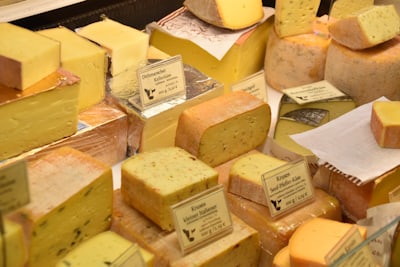
Italy is, without serious competition, the world's most diverse cheesemaking nation. The country officially recognises more than 400 distinct varieties, and the actual number — counting local, informal, and seasonal specialities — is considerably higher. More than 50 Italian cheeses carry Protected Designation of Origin (PDO) status, more than any other European country.
For anyone approaching Italian cheese seriously for the first time, this abundance can feel more like an obstacle than an invitation. Where do you begin? What is the difference between a Pecorino Romano and a Pecorino Toscano? Why does Grana Padano exist if Parmigiano-Reggiano is already there?
This guide does not attempt to catalogue all 400 varieties. Instead, it introduces the most important types of Italian cheese by category, explains the logic behind the distinctions, and gives you the vocabulary to navigate confidently through an Italian cheese counter or restaurant menu.
Understanding the Basic Categories
Italian cheeses are most usefully understood through three overlapping sets of distinctions: texture (fresh, semi-soft, semi-hard, hard), milk type (cow, sheep, goat, buffalo), and production method (stretched curd, pressed, soft-ripened, blue-veined, whey-based).
No single classification system covers everything neatly, but thinking in these terms will help you understand why cheeses that look or sound similar can taste so completely different.
The Great Aged Hard Cheeses (Formaggi a Pasta Dura)
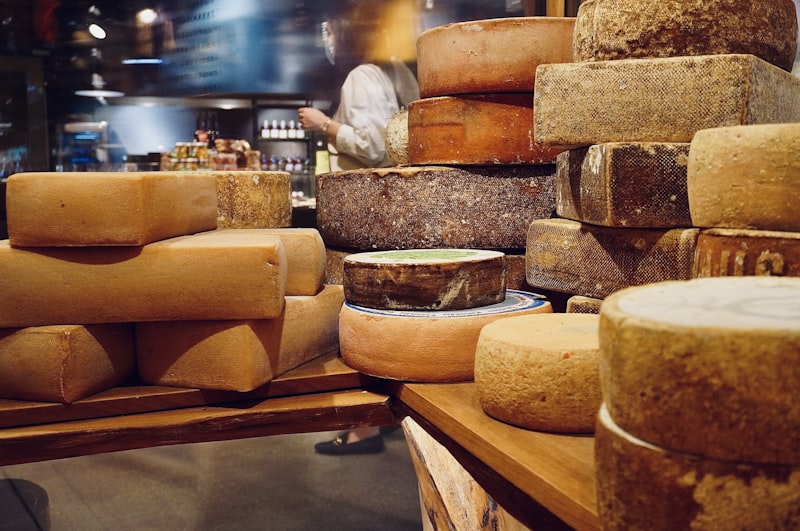
Italy's most globally recognised cheeses belong to this category. They are dense, granular, deeply flavoured, and aged for extended periods — sometimes years. They are typically eaten in small quantities and used extensively in cooking.
Parmigiano-Reggiano
The king of Italian hard cheeses and one of the most imitated foods in the world. Made from partially skimmed unpasteurised cow's milk in the provinces of Parma, Reggio Emilia, Modena, Bologna, and Mantua. Aged for a minimum of 12 months (and up to 36 or more for premium wheels), it develops an extraordinary complexity: sweet, savoury, fruity, and slightly crystalline. The name is protected by PDO law; anything labelled "Parmesan" made outside this zone is a different product entirely.
Grana Padano
Often compared to Parmigiano-Reggiano, Grana Padano has a wider production zone covering much of the Po Valley. It is typically aged for a shorter period (minimum 9 months) and has a somewhat milder, creamier flavour. An excellent everyday grating cheese and more affordable than Parmigiano-Reggiano, though the best aged examples can approach its older cousin in depth and complexity.
Pecorino Romano
One of the oldest cheeses in the world, produced primarily in Sardinia (despite its Roman name) and Lazio. Made from sheep's milk and aged for a minimum of 5 months, it is notably saltier and sharper than other Pecorino varieties. Essential in dishes like Cacio e Pepe and Amatriciana, where its sharpness and salinity are assets rather than drawbacks.
Semi-Aged and Firm Cheeses (Formaggi a Pasta Semidura)
This broad category covers cheeses that are pressed and aged, but not to the extreme hardness of a Parmigiano or Pecorino Romano. They are versatile on a cheese board, suitable for melting, and generally more approachable for those new to Italian cheese.
Pecorino Toscano
Our home ground. Pecorino Toscano is produced throughout Tuscany from sheep's milk, but unlike Pecorino Romano it is milder, more rounded, and produced in two main styles: fresco (aged 20 days, soft and mild) and stagionato (aged 4 months or more, firmer and more complex). The flavour varies by producer and by season, which is part of what makes it interesting. Pairs beautifully with local wines, honey, and fresh vegetables.
Asiago
Produced in the Veneto and Trentino regions from cow's milk, Asiago comes in two distinct styles that share little beyond their name. Asiago Fresco is a young, mild, slightly elastic cheese. Asiago d'Allevo is aged for a minimum of 3 months (and sometimes much longer), developing a firmer texture and a more complex, slightly bitter, nutty flavour. Both are excellent table cheeses; the aged version also works well grated.
Montasio
A cow's milk cheese from Friuli and Veneto, Montasio ranges from mild and almost springy when young to firm and sharply flavoured when aged 12 months or more. It is the cheese traditionally used in Frico, the crispy Friulian cheese pancake.
Fresh Cheeses (Formaggi Freschi)
Fresh Italian cheeses are made quickly, contain high moisture, and are eaten young — often within days of production. Their flavours are clean, mild, and milky, making them versatile ingredients and approachable starting points for cheese exploration.
Mozzarella Fior di Latte
Cow's milk mozzarella, made by the pasta filata (stretched curd) method. At its best — made the same morning and eaten the same day — it is one of the most pleasurable foods in the world: pillowy, slightly squeaky, with a mild milky sweetness and a fresh, lactic tang. It deteriorates quickly; if you are not in Italy, seek out locally produced fresh mozzarella rather than the vacuum-packed imported version.
Mozzarella di Bufala Campana
Made from the milk of Italian water buffalo in Campania and parts of surrounding regions. Richer, creamier, and slightly more complex than Fior di Latte, with a characteristic tang from the buffalo milk's higher acidity. Indisputably delicious, though purists note that its flavour is distinctive enough to sometimes overwhelm delicate accompaniments. Best eaten simply, with nothing but good olive oil, salt, and fresh basil.
Burrata
A relatively modern invention (developed in Puglia in the early twentieth century), Burrata consists of a thin outer shell of fresh mozzarella enclosing a filling of torn mozzarella strands (stracciatella) mixed with cream. The combination of contrasting textures — firm outside, flowing inside — and the extraordinary richness of the cream filling has made it one of the most sought-after Italian cheeses in the world. Serve at room temperature, always.
Ricotta
Strictly speaking, ricotta is not a cheese at all — it is made from whey, the liquid remaining after milk curds have been separated during cheesemaking, rather than from whole milk. The name means "re-cooked," referring to the process of heating the whey a second time to precipitate remaining proteins. The result is light, fluffy, and delicately sweet. Ricotta di Pecora (sheep's milk whey) has more flavour and a slightly denser texture than the cow's milk version.
Blue and Washed-Rind Cheeses
Gorgonzola
Italy's most famous blue cheese, produced in Lombardy and Piedmont from cow's milk. Two main styles exist: Gorgonzola Dolce, which is younger, creamier, and milder (the blue veins are present but the paste remains soft and spreadable); and Gorgonzola Piccante, aged for a minimum of 6 months, firmer, sharper, and with more pronounced blue-green veining. Both are superb with honey, polenta, and sweet wines.
Taleggio
A washed-rind cheese from Lombardy, Taleggio has a sticky, orange-tinged rind and an interior that ranges from springy when young to nearly flowing when fully ripe. The aroma is assertive (some say pungent), but the flavour is surprisingly mild and buttery, with a gentle earthiness from the rind. Extraordinary melted over polenta or baked into risotto.
Which Types of Italian Cheese to Try First
If you are new to Italian cheese, we suggest starting with three styles that represent the breadth of what the tradition offers: a young Pecorino Toscano for its approachable freshness; a Parmigiano-Reggiano of at least 24 months for its extraordinary complexity; and a fresh Burrata for the sheer pleasure of its texture and richness.
From there, the territory opens up in any direction you choose. Italian cheese rewards curiosity — there is always a valley, a tradition, or a season you have not yet explored.
Our own range of artisan dairy products from Tuscany offers a small but carefully crafted window into this world. We are happy to talk through any of them if you visit the dairy or get in touch.
Continue Reading